
Choosing the perfect white paint for your home can feel like an overwhelming task, especially when faced with hundreds of variations that all look subtly different on a paint chip. One shade that consistently stands out for its versatility and warmth is Benjamin Moore Creamy White. Unlike stark, clinical whites that can make a space feel cold or institutional, this hue offers a soft, inviting undertone that breathes life into any room. It strikes that delicate balance between being truly neutral and feeling cozy, making it a favorite among interior designers who want to create a space that feels both modern and comfortable.
Why Choose Benjamin Moore Creamy White for Your Home?
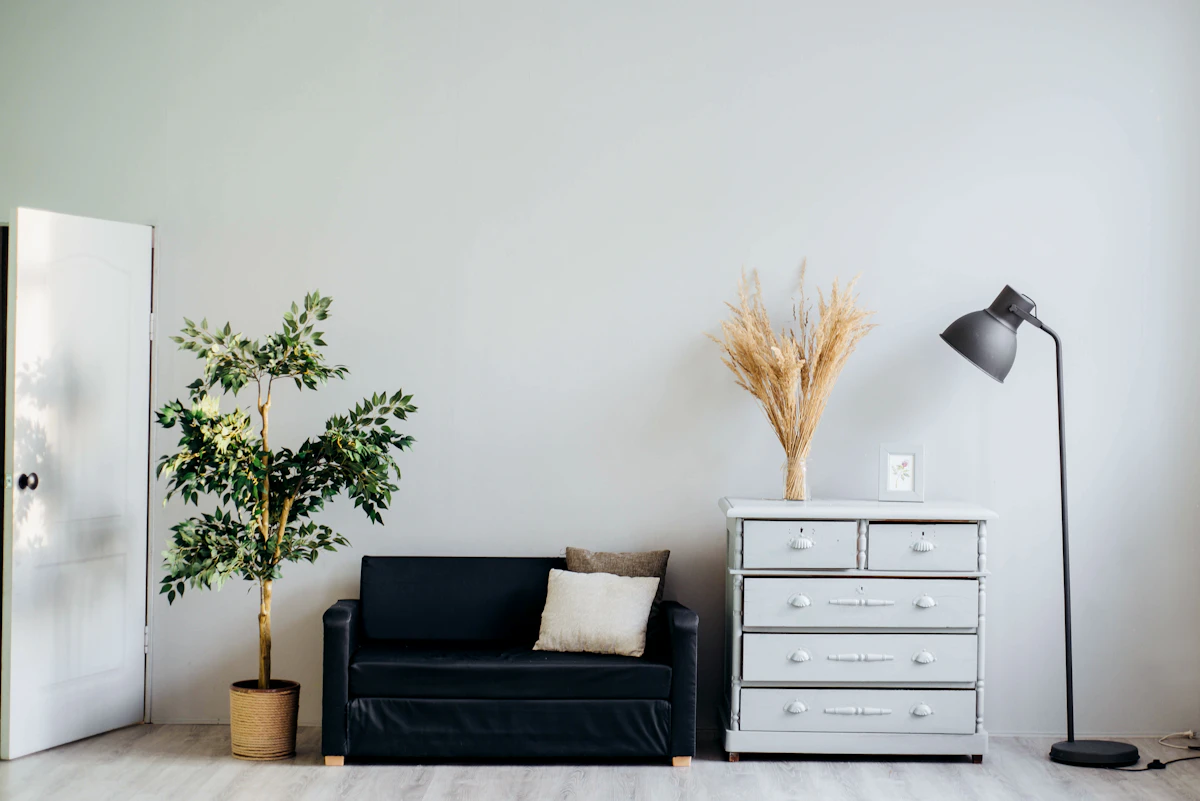
When you select a paint color, you are not just picking a pigment; you are choosing the mood for your entire interior environment. Benjamin Moore Creamy White acts as a chameleon. In rooms flooded with natural light, it maintains a crisp, clean aesthetic while retaining a gentle warmth. In darker, north-facing rooms, it avoids the grayish, muddy look that many "cool" whites succumb to, instead offering a soft glow that prevents the space from feeling cave-like.
The primary reason homeowners gravitate toward this shade is its undertones. While many whites lean heavily into yellow or peach, this color is carefully balanced. It provides a creamy depth without ever crossing into "butter" territory. This makes it an ideal backdrop for a wide variety of design styles, including:
- Farmhouse: Pairs perfectly with natural wood tones and black metal accents.
- Minimalist: Provides a soft foundation that keeps a sparse space feeling approachable.
- Traditional: Complements crown molding and architectural details by highlighting their shape without high-contrast harshness.
- Coastal: Works beautifully with soft blues, teals, and sandy neutrals.
Understanding the Light Reflective Value (LRV)
Before committing to a gallon of paint, it is vital to understand the Light Reflective Value (LRV) of your chosen color. LRV measures how much light a color reflects; on a scale of 0 (absolute black) to 100 (pure white), a higher number means the color will bounce more light back into the room.
Benjamin Moore Creamy White sits in a "sweet spot" for many residential applications. It is not so bright that it causes glare on sunny walls, but it is reflective enough to brighten up hallways and smaller bedrooms. Below is a comparative table of how it generally performs in different lighting scenarios:
| Room Exposure | Effect of Creamy White |
|---|---|
| North-Facing | Adds needed warmth and softness to counteract blue light. |
| South-Facing | Appears bright and airy, minimizing harsh yellow reflections. |
| East-Facing | Shifts from warm in the morning to cool-neutral by evening. |
| West-Facing | Looks balanced throughout the day with a soft golden glow. |
💡 Note: Always test a paint sample on multiple walls in your room. Lighting conditions change drastically throughout the day, and wall texture can also influence how the light interacts with the pigment.
Pairing Benjamin Moore Creamy White with Trim and Accents
The beauty of a versatile color is how it interacts with other shades. If you want a monochromatic look, many designers recommend painting the trim, doors, and walls in the same color but using different finishes. For example, use Creamy White in a matte or eggshell finish on the walls and a semi-gloss or high-gloss finish on the trim. This creates a subtle visual contrast that looks high-end and intentional.
If you prefer a bolder contrast, pair this shade with darker, earthier tones. Because it is inherently warm, it loves to be placed next to:
- Charcoal or Navy: Creates a sophisticated, moody contrast for an accent wall.
- Sage Green: Enhances the organic, airy feeling of a room.
- Terra Cotta: Brings out the soft, underlying warmth in the paint.
- Natural Oak: The wood grain looks richer and more vibrant against this neutral backdrop.
Application Tips for a Professional Finish
Achieving a flawless coat of paint is just as important as choosing the right color. Because Benjamin Moore Creamy White is a lighter shade, it may require two coats to get full, opaque coverage, especially if you are painting over a darker existing color.
- Prepare the Surfaces: Clean the walls to remove dust, dirt, or grease. Fill any holes with spackle and sand smooth.
- Use a High-Quality Primer: Even if the paint claims to be "paint and primer in one," a dedicated primer will ensure a much more uniform finish, especially on new drywall or patched areas.
- Choose the Right Roller Nap: Use a 3/8-inch nap roller for smooth walls to ensure an even application without excess texture.
- Cut in Properly: Use a high-quality angled brush to "cut in" the edges along the ceiling, baseboards, and corners before rolling the larger areas.
💡 Note: Allow for adequate drying time between coats. Rushing this process can lead to peeling or an uneven, streaky final appearance.
Design Versatility Across Different Rooms
Beyond the living room, this color shines in functional spaces. In a kitchen, Benjamin Moore Creamy White can make cabinetry look classic and timeless. When used in a bathroom, it provides a spa-like atmosphere, especially when paired with polished nickel hardware and marble countertops. Even in hallways—often neglected spaces—this color can make a narrow area feel wider and significantly more welcoming.
Because it is a non-aggressive neutral, it is also an excellent choice for bedrooms. It doesn't stimulate the senses too much, which is essential for creating a restful environment. You can easily update the look of the room seasonally just by swapping out bedding and textiles; the walls will match almost any color palette you choose.
Selecting this specific shade is a decision that pays off in long-term satisfaction. Its ability to harmonize with various lighting conditions, furniture styles, and decor accents makes it a staple in professional design. By considering the nuances of your own home’s light and pairing it with thoughtful textures and complementary tones, you can transform your living space into a sanctuary of warmth and light. Whether you are painting a single accent wall or renovating an entire home, this hue remains one of the most reliable and beautiful choices available in the world of interior paint.
Related Terms:
- benjamin moore warm white colors
- benjamin moore creamy white undertone
- warm whites benjamin moore
- best benjamin moore warm white
- benjamin moore oc 7
- best creamy white benjamin moore