
The concept of the Green Skeleton has emerged as a fascinating intersection between sustainable design, architectural theory, and environmental philosophy. While the term might evoke imagery of biological decay or eco-horror, in the professional world, it represents the backbone of sustainable development. It refers to the underlying structural frameworks of buildings, urban plans, and technological systems that prioritize resource efficiency, carbon sequestration, and long-term ecological balance. By analyzing how we construct our world from the "bones" up, we can begin to see how traditional carbon-heavy practices are being replaced by regenerative, nature-inspired methodologies.
Understanding the Concept of the Green Skeleton
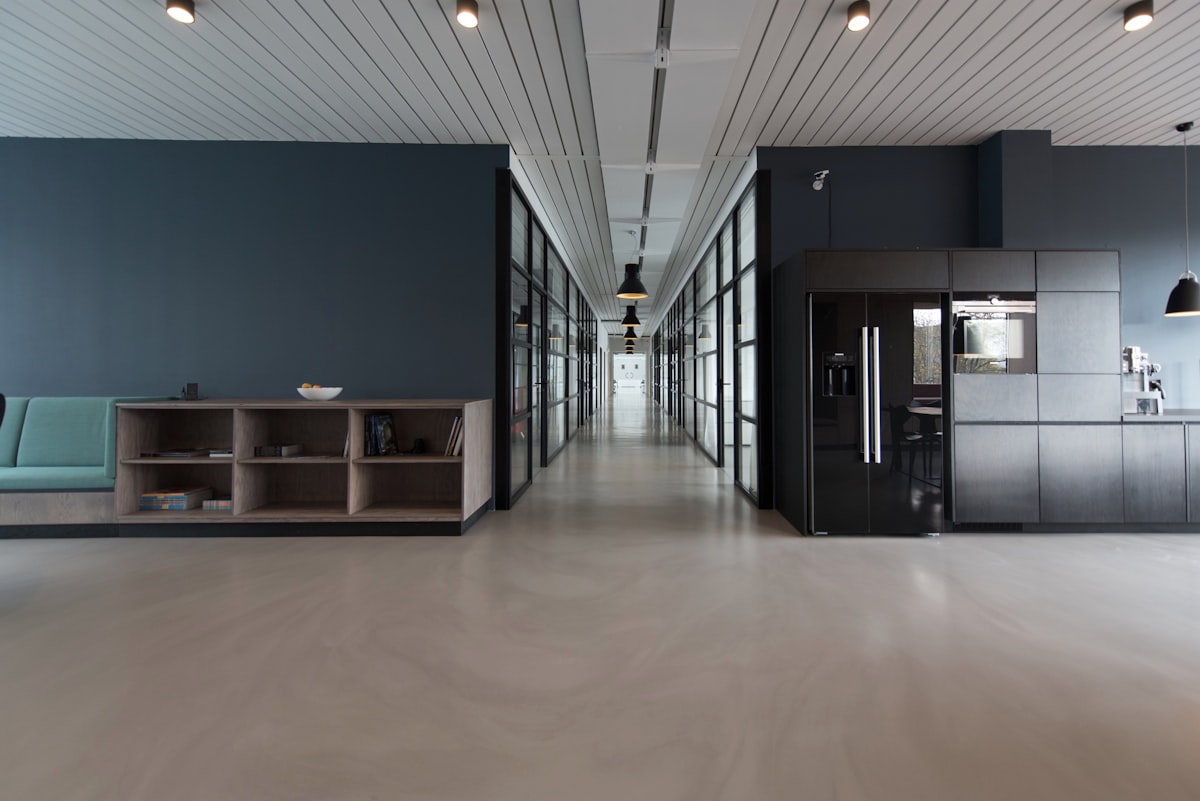
At its core, the Green Skeleton represents the structural skeleton of an project—the materials and systems that form the load-bearing or foundational integrity—being designed with the environment as the primary stakeholder. Traditionally, construction relied heavily on concrete and steel, materials that carry a significant carbon footprint. The modern transition to a Green Skeleton approach involves integrating renewable resources such as mass timber, hempcrete, and recycled alloys to minimize the embodied carbon from the very start of the building process.
Why does the framework matter? Because once a building is erected, the skeleton is the one component that cannot be easily replaced. Upgrading insulation or changing lighting fixtures is simple, but replacing the structural beams of a skyscraper is often impossible. Therefore, committing to an environmentally conscious framework at the inception of a project is the most effective way to ensure a building remains sustainable for its entire life cycle.
Core Pillars of Sustainable Frameworks
To implement the Green Skeleton philosophy effectively, architects and engineers focus on specific pillars that dictate material sourcing and structural efficiency. These pillars ensure that the building is not only efficient in operation but also responsible in creation:
- Material Circularity: Prioritizing materials that can be reclaimed, recycled, or biodegraded after the structure’s lifespan.
- Carbon Sequestration: Utilizing organic materials like cross-laminated timber (CLT) that store carbon throughout their structural life.
- Optimization of Geometry: Using computational design to reduce the total amount of material required without sacrificing structural safety.
- Passive Climate Control: Designing the structural layout to naturally regulate temperatures through ventilation and thermal mass.
Comparative Analysis: Traditional vs. Green Frameworks
The following table outlines the fundamental differences between traditional structural approaches and those aligned with the Green Skeleton methodology.
| Feature | Traditional Framework | Green Skeleton Approach |
|---|---|---|
| Primary Material | Reinforced Concrete | Mass Timber / Bio-composites |
| Carbon Footprint | Very High (Embodied Carbon) | Low or Carbon Negative |
| End-of-Life | Demolition/Landfill | Deconstruction/Reuse |
💡 Note: When transitioning to sustainable materials, always ensure that your structural designs meet local seismic and fire safety building codes, as alternative materials may require different density and fire-retardant treatments.
The Technological Shift in Structural Design

The rise of the Green Skeleton is not just about using wood instead of steel; it is about smarter design through technology. Building Information Modeling (BIM) allows designers to simulate the lifespan of a building before a single brick is laid. This creates an opportunity to test how the structure will behave under stress, allowing for the removal of unnecessary material mass. By removing “dead weight” from a design, projects can achieve lighter structural loads, which in turn reduces the demand for foundation materials like concrete.
Furthermore, the integration of biophilic design—where the skeleton itself is designed to support vertical gardens or natural airflow—enhances the well-being of the building’s occupants. A structure that works with the environment rather than fighting against it becomes a living asset to its urban landscape.
Challenges in Implementation
Despite the obvious environmental benefits, moving toward a Green Skeleton architecture is not without its hurdles. Many current building codes are written with legacy materials in mind, creating bureaucratic friction for those attempting to use innovative bio-materials. Additionally, the supply chain for high-performance sustainable materials is still developing, which can lead to higher upfront costs for some projects.
However, as policy changes incentivize decarbonization, the economic argument for these structures is becoming stronger. Governments are increasingly looking at “cradle-to-cradle” metrics, which reward developers for building with materials that have a long-term environmental value. The shift is inevitable, moving from a niche architectural interest to a mainstream requirement for modern urban growth.
💡 Note: Early-stage collaboration between architects, structural engineers, and material scientists is critical for the success of Green Skeleton projects, as integrated design reduces errors and ensures material efficiency.
Future Outlook
As we look toward the mid-century goals for climate neutrality, the role of the Green Skeleton will only grow in prominence. We are moving toward a future where “green” is not just a feature like a solar panel, but the very DNA of our built environment. The evolution from inert, heavy, and carbon-intensive structures to intelligent, adaptive, and restorative frameworks represents the next great step in human civilization. By rethinking our foundation, we ensure that our legacy is not one of debris and waste, but one of resilience and ecological harmony.
In wrapping up our exploration, it becomes clear that the shift toward these sustainable structural frameworks is an essential evolution in how we inhabit the planet. By prioritizing carbon-sequestering materials, reducing material waste through computational design, and designing for the entire building lifecycle rather than just the construction phase, we can reshape our cities into systems that provide more than they take. While the journey toward universal adoption involves overcoming regulatory and supply chain challenges, the momentum behind this transition is undeniable. The movement towards a greener foundation is a testament to our capacity for innovation and our growing awareness of the need for a balanced, sustainable future for all.