
Understanding the complexity of human anatomy starts with the intricate pathways that convert food into energy. When students, medical professionals, or curious individuals search for man digestive system images, they are often looking for a clear visual representation of how organs work in harmony. The digestive system is a sophisticated biological machine responsible for breaking down nutrients, absorbing essential vitamins, and eliminating waste. By breaking down this journey from the mouth to the intestines, we can better appreciate the biological processes that sustain life every single day.
The Anatomy of the Human Digestive Tract
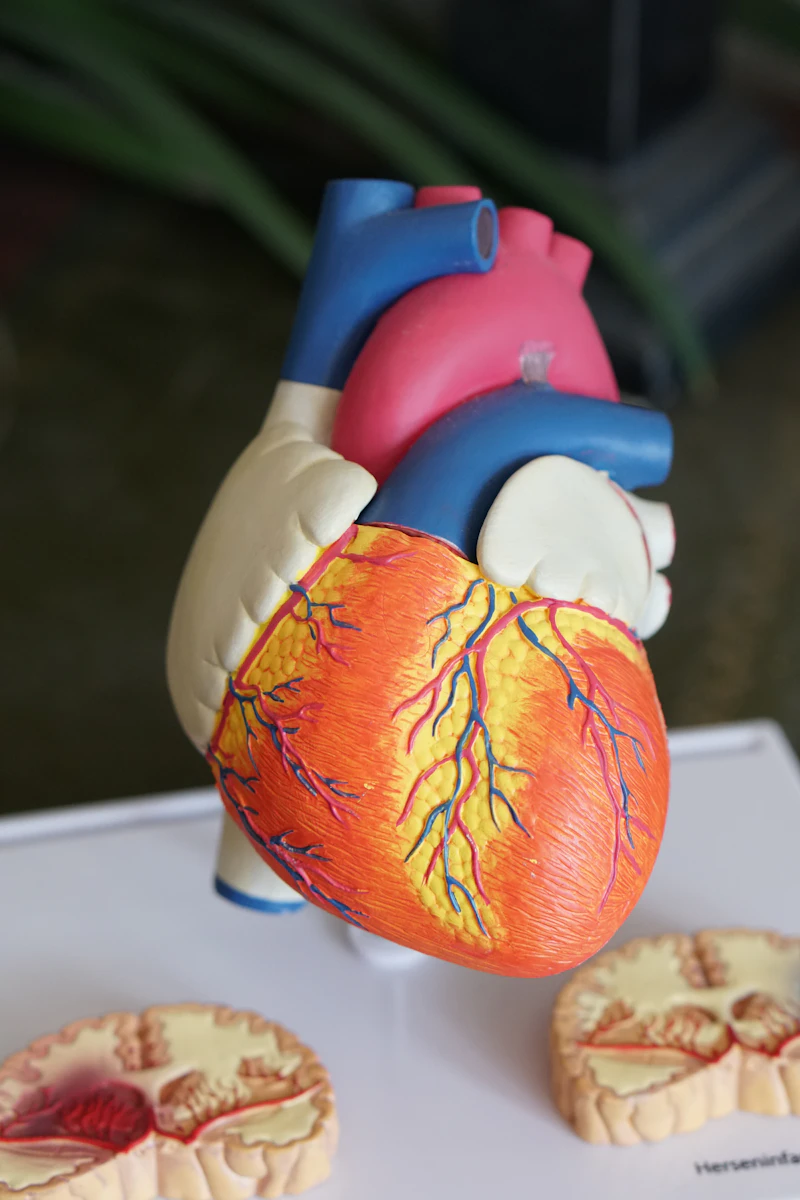
The digestive tract is essentially a long, muscular tube that begins at the mouth and ends at the anus. When analyzing man digestive system images, you will notice the sequence of organs that process food through chemical and mechanical digestion. Each organ plays a specialized role in ensuring that your body extracts the maximum amount of energy from what you consume.
- The Mouth: Digestion starts here with mechanical chewing and the secretion of saliva containing enzymes like amylase.
- The Esophagus: A muscular tube that uses rhythmic contractions called peristalsis to move food bolus toward the stomach.
- The Stomach: An acidic environment that breaks down proteins and mixes food into a substance called chyme.
- Small Intestine: The primary site for nutrient absorption, divided into the duodenum, jejunum, and ileum.
- Large Intestine (Colon): Responsible for absorbing water and electrolytes while forming solid waste.
Visualizing the Digestive Process
For those studying biological charts, identifying the accessory organs in man digestive system images is just as important as the primary tract. These organs do not hold food directly but provide critical secretions that facilitate digestion.
| Organ | Primary Function |
|---|---|
| Liver | Produces bile to emulsify fats and detoxifies the blood. |
| Gallbladder | Stores bile produced by the liver until needed for digestion. |
| Pancreas | Secretes digestive enzymes and regulates blood sugar via insulin. |
💡 Note: High-quality medical illustrations of the digestive tract often highlight the blood supply and nerve endings, which are crucial for the coordination of peristaltic movements throughout the gastrointestinal system.
Mechanical vs. Chemical Digestion
As you examine man digestive system images, it is helpful to distinguish between the two types of digestion occurring simultaneously. Mechanical digestion involves the physical breakdown of food—such as chewing or the churning action of the stomach walls. Chemical digestion, on the other hand, involves enzymatic reactions that change the molecular structure of food particles into simpler forms like glucose, amino acids, and fatty acids.
Understanding this distinction helps explain why eating slowly and chewing thoroughly is essential for gut health. When the mechanical process is rushed, the chemical processes in the stomach and small intestine must work significantly harder, which can lead to indigestion or nutrient malabsorption.
Common Digestive System Disorders
Disruptions in the digestive process can lead to various medical conditions. By observing clinical man digestive system images, doctors can often identify irregularities such as inflammation, ulcers, or structural blockages. Common ailments include:
- Gastroesophageal Reflux Disease (GERD): Occurs when stomach acid flows back into the esophagus.
- Peptic Ulcers: Sores that develop on the lining of the stomach or the upper portion of the small intestine.
- Irritable Bowel Syndrome (IBS): A common disorder affecting the large intestine, causing cramping and abdominal pain.
- Inflammatory Bowel Disease (IBD): Chronic inflammation that causes long-term damage to the digestive tract.
If you notice persistent changes in your digestive health, it is imperative to consult with a medical professional. Often, imaging techniques such as endoscopy or CT scans—which serve as advanced versions of standard man digestive system images—are used to diagnose these issues accurately.
Maintaining Optimal Digestive Health
Supporting your digestive health involves more than just eating the right foods. Lifestyle habits play a pivotal role in the efficiency of your internal organs. Regular physical activity, for instance, helps stimulate the natural contractions of your digestive muscles, preventing constipation and ensuring a steady transit time.
Furthermore, staying hydrated is critical. Water is necessary for the proper functioning of the enzymes that break down your food. Fiber-rich diets are equally important, as they add bulk to stools and help maintain a healthy microbiome in the large intestine. When viewing man digestive system images, one can see how the colon is structured to process fibrous material, highlighting the importance of including vegetables, fruits, and whole grains in your daily nutrition.
⚠️ Note: Always introduce high-fiber foods gradually to your diet. A sudden, drastic increase in fiber intake can cause temporary bloating, gas, and abdominal discomfort until your system adapts.
The Role of the Microbiome
A modern look at the digestive system would be incomplete without mentioning the gut microbiome. Trillions of bacteria reside primarily in the large intestine. These microorganisms act as an extension of the digestive system, helping to synthesize vitamins like Vitamin K and B12, which the human body cannot produce on its own. Research into these bacterial colonies is changing the way we interpret traditional man digestive system images, emphasizing that the gut is not just a tube for processing food, but a complex ecosystem that influences immunity and mood.
In summary, the journey of digestion is a highly coordinated sequence of events involving multiple organs working in tandem to nourish the body. From the initial breakdown of food in the mouth to the complex absorption processes in the intestines and the vital role of the liver, pancreas, and gallbladder, every part of this system is essential. By utilizing visual resources like man digestive system images, we gain a deeper insight into the functional beauty of the human body. Maintaining this system through a balanced diet, proper hydration, and an active lifestyle ensures that the digestive process continues to operate effectively, supporting overall health and vitality for years to come.