
The world of digital art and illustration is constantly evolving, blending traditional techniques with modern technological advancements. Among the many artistic styles that have gained massive popularity, Semi Realism stands out as a bridge between the highly stylized nature of anime or cartoons and the rigorous discipline of photorealism. For many artists, mastering this balance is the ultimate goal, as it allows for the expressive freedom of imagination while maintaining a grounding in anatomical correctness and structural integrity.
Understanding the Essence of Semi Realism

At its core, Semi Realism is an artistic approach that utilizes realistic proportions, lighting, and texture, but allows for slight exaggerations to enhance character design or emotional impact. Unlike hyperrealism, which seeks to mimic reality exactly as it appears to the naked eye, this style permits the artist to simplify certain details—like skin pores or individual hair strands—to keep the viewer focused on the overall narrative of the piece.
Many beginners often struggle with the transition from cartooning to more grounded work. The key to successful Semi Realism lies in understanding the fundamentals of human anatomy, light theory, and color blending. When you strip away the heavy outlines of traditional animation and replace them with soft, blended shadows and highlights, you begin to see the transformation toward a more professional, semi-realistic finish.
💡 Note: Always prioritize structure over detail; a drawing with perfect skin rendering will still look "off" if the underlying skull or muscle anatomy is incorrect.
Core Techniques to Elevate Your Art
Achieving a cohesive semi-realistic look requires a shift in how you approach the digital canvas. It is not just about the final render, but the process you take to get there. Here are the essential pillars of this style:
- Anatomy Foundations: Even if you plan to stylize the features, you must know where the cheekbones, jawline, and brow ridges sit on a real human skull.
- Lighting and Shadow (Chiaroscuro): Use soft brushes for light gradients and hard brushes for core shadows to create volume.
- Texturing with Moderation: Instead of drawing every wrinkle, use custom brushes or noise textures to suggest skin texture without overwhelming the viewer.
- Color Harmony: Avoid using pure black for shadows. Use deep purples, blues, or desaturated browns to give your piece a more "painted" feel.
Comparing Styles: Where Semi Realism Fits
To better understand where your work sits on the artistic spectrum, consider the following breakdown of styles. This table illustrates how Semi Realism acts as the "sweet spot" for many professional character designers.
| Style | Anatomy | Lighting | Detail Level |
|---|---|---|---|
| Cartoon / Anime | Highly Stylized | Flat / Cel Shaded | Minimal |
| Semi Realism | Proportionally Correct | Depth & Volume | Moderate |
| Hyperrealism | Precise / Clinical | Complex / Ray Traced | Extreme |
Mastering Lighting for Depth
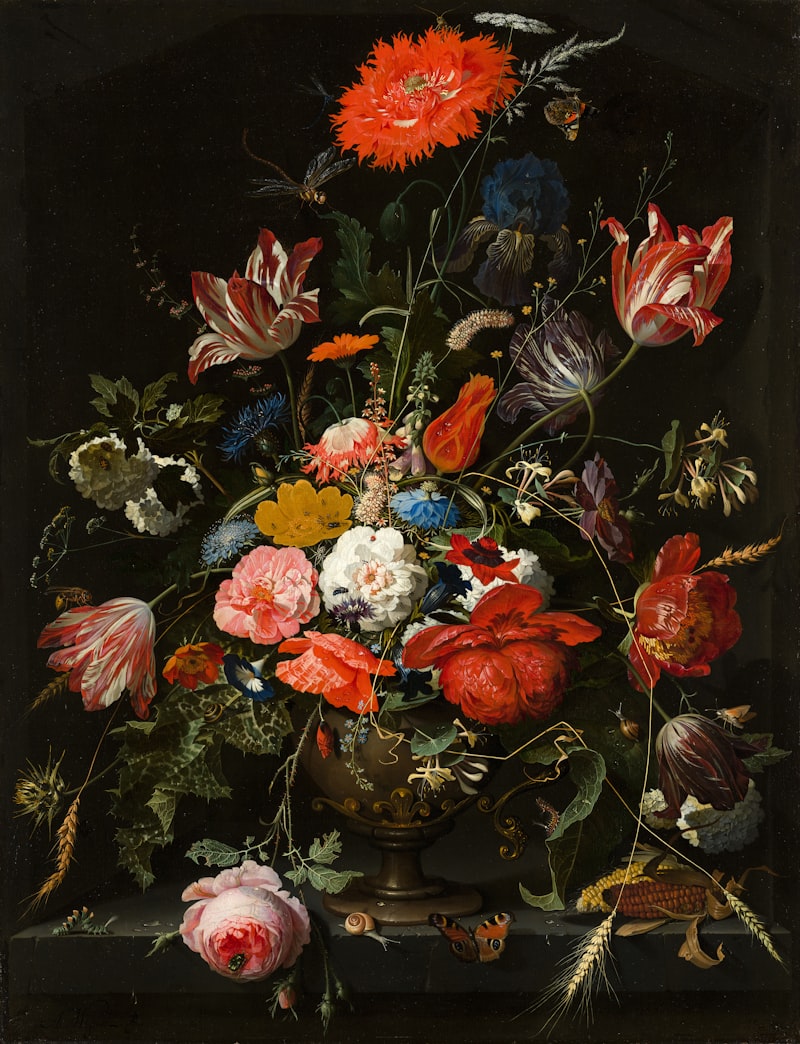
Lighting is what truly separates a flat illustration from a Semi Realism masterpiece. When light hits an object, it doesn't just create a shadow; it creates a transition. Learning about the "terminator line"—the area where light transitions into shadow—is vital. In this style, you want that transition to be soft and gradual on rounded surfaces like cheeks, but sharper on bony areas like the chin or nose.
Experimenting with rim lighting is another fantastic way to add a "wow" factor to your work. A thin, bright line of light tracing the edge of the subject against a darker background helps separate the character from the environment, reinforcing the illusion of 3D depth in a 2D space.
💡 Note: Always paint on a neutral grey background rather than pure white to better gauge your light and dark values during the initial blocking phase.
Workflow Optimization for Artists
Efficiency is key when dealing with the increased detail requirements of semi-realistic painting. Many artists find that jumping straight into the fine details results in a loss of focus on the piece as a whole. Follow this logical flow for better results:
- The Sketch: Focus on construction shapes (spheres, boxes, cylinders) to define the pose.
- Blocking: Lay down flat local colors. Ensure the silhouette looks accurate.
- Shadow Mapping: Define the main light source and paint in the major shadow shapes.
- Softening/Blending: Use a soft airbrush to blend the shadows, keeping the transition areas smooth.
- Refinement: Add the "focal points"—the eyes, lips, and highlights on the hair—using higher contrast and detail.
By following this systematic approach, you prevent yourself from getting bogged down in tiny details that don't actually contribute to the overall impact of the image. The beauty of Semi Realism is that the viewer's brain will naturally "fill in" the missing details if the foundational proportions and lighting are correct.
Developing Your Unique Signature
While the technical aspects are important, the most compelling artists are those who infuse their personality into their Semi Realism work. Perhaps you prefer vibrant, saturated colors, or maybe you enjoy adding intricate, non-realistic patterns to clothing or backgrounds. Because this style is so flexible, it is the perfect playground for experimentation.
Do not be afraid to deviate from reality when it serves your artistic vision. If you feel that enlarging the eyes slightly or sharpening the angle of the nose makes the character feel more "alive" or better fits the personality you are trying to convey, do it. The goal is not to be a human camera; it is to communicate a vision using the tools of reality as your foundation.
Ultimately, the journey toward mastery in this medium is a marathon, not a sprint. By consistently practicing the fundamentals of anatomy and lighting while remaining open to stylistic deviations, you will eventually find your own rhythm within this versatile aesthetic. Remember that every brushstroke is an opportunity to learn, and comparing your current work to your past efforts is the best way to measure progress. Whether you are creating portraits, conceptual characters, or dynamic scenes, focusing on these core principles will ensure your work remains both technically grounded and creatively inspiring.