
Mastering the art of stand posing is a transformative skill for anyone stepping in front of a camera. Whether you are a professional model, an aspiring influencer, or simply someone who wants to look more confident in candid snapshots, understanding how to position your body makes a world of difference. Many people feel awkward or stiff when the shutter clicks, often because they lack a repertoire of reliable poses to fall back on. By learning the fundamental principles of body language, angles, and weight distribution, you can turn any photography session into a professional-grade experience that highlights your best features.
The Foundations of Confident Stand Posing
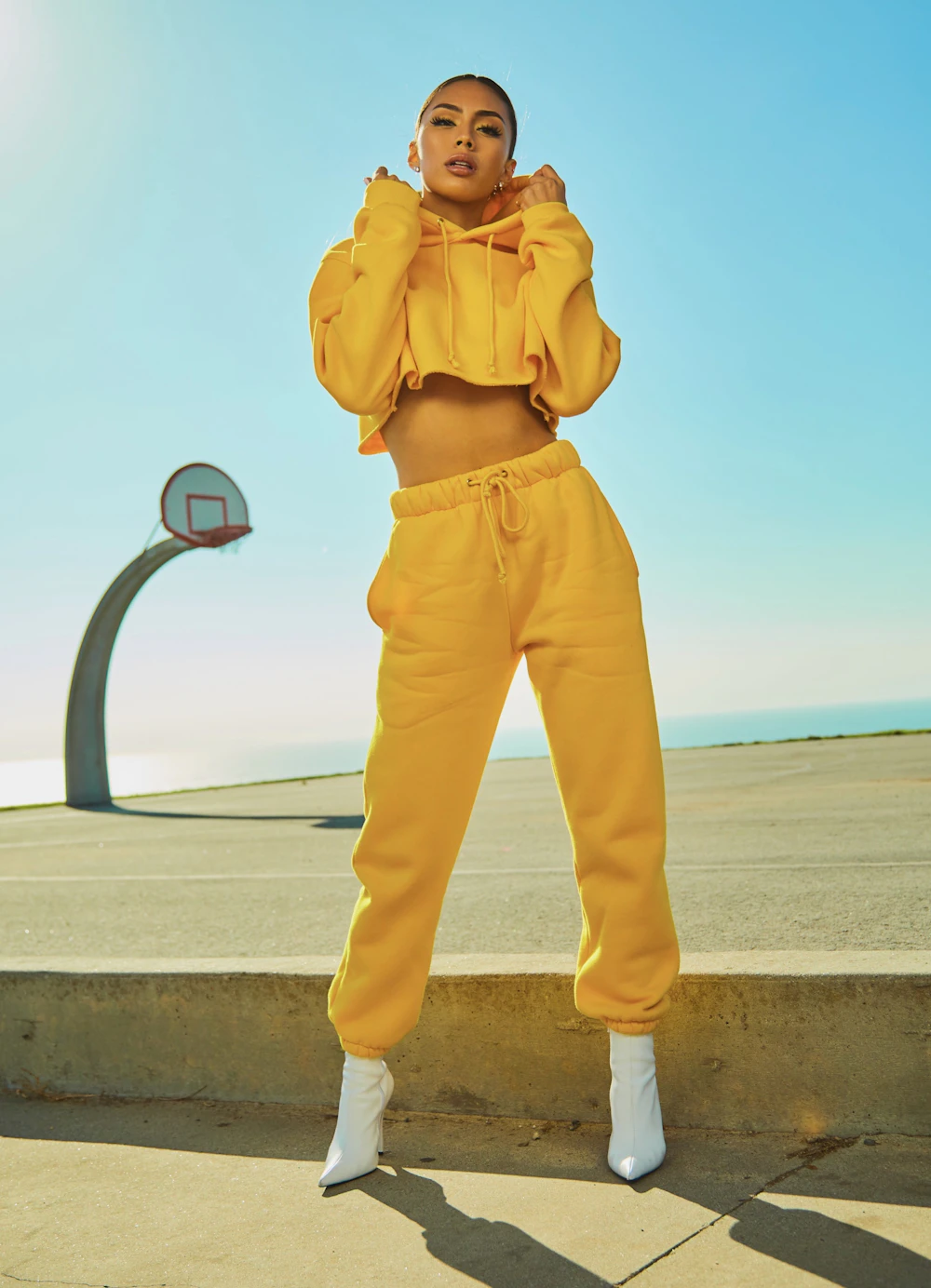
The secret to great stand posing lies in movement and asymmetry. When a body is completely parallel to the camera, it often looks two-dimensional and static. To create dynamic photos, you need to break up the lines of your body. Think of your limbs as tools to create geometric shapes; by bending a knee, tilting a hip, or placing a hand on your waist, you introduce depth and interest to the frame.
Here are the core pillars of effective posing:
- Shift your weight: Avoid standing flat-footed with your weight distributed equally. Instead, shift your weight onto one leg—typically the back leg—to create a natural "S" curve in your body.
- Create space: Do not press your arms tightly against your torso. Keep a small gap between your arms and your body to highlight your waistline and prevent your arms from appearing wider than they are.
- Mind your joints: Avoid locking your knees or elbows. A slight micro-bend in these joints makes the pose appear relaxed, fluid, and much more natural.
- Angle your shoulders: Turning your body slightly away from the camera creates a slimmer silhouette and a more sophisticated look compared to standing face-on.
💡 Note: Always practice your poses in front of a full-length mirror before a photoshoot. This helps you identify your "good side" and muscle memory will make the process much smoother during the actual shoot.
Advanced Techniques for Various Body Types
Not every pose works for every person. Customizing your stand posing approach based on your specific silhouette is key to feeling comfortable. The goal is to flatter your proportions while maintaining a natural aesthetic. If you want to elongate your frame, focus on vertical lines, such as pointing one toe toward the camera or reaching one arm upward.
| Pose Type | Primary Goal | Execution Tip |
|---|---|---|
| The Hip Pop | Creating Curvature | Shift weight to one side and pop the opposite hip out. |
| The Walk-Through | Adding Movement | Take a small step forward to imply motion and energy. |
| The Elbow Tuck | Define Waist | Place hands on hips or pockets to separate arms from the torso. |
| The Cross-Leg | Slimming Effect | Cross one foot over the other to create a tapered look. |
Incorporating Props and Environmental Cues
Often, the environment provides the best support for stand posing. When you feel unsure of what to do with your hands, look for surrounding elements. Leaning against a wall, resting a hand on a chair, or interacting with a doorway can provide the necessary structure to make your pose feel grounded. This also helps reduce the "nervous energy" that often translates into awkward body language on camera.
When posing in an urban or natural environment, consider the following:
- Use the wall: Lean your shoulders or lower back against a surface to create a relaxed, casual vibe.
- Find a frame: Use doorways, archways, or tree branches to frame your pose, drawing the viewer's eye directly to you.
- Interact with your accessories: If you are wearing a hat, touching the brim creates a classic, high-fashion pose. Playing with a jacket or handbag also keeps your hands busy.
💡 Note: Avoid "over-posing" by maintaining a soft facial expression. If your body is dynamic, keep your face relaxed to ensure the photo doesn't look overly forced.
Common Mistakes to Avoid
Even with good intentions, it is easy to fall into traps that compromise the quality of your image. One of the most common mistakes is "the claw," where fingers are held stiffly. Instead, keep your hands soft, relaxed, and slightly curved. Another issue is the "stiff neck," where the chin is pushed too far forward. To fix this, think about pushing your forehead forward and down slightly—this elongates the neck and defines the jawline naturally.
Additionally, be wary of the camera height. A photographer shooting from too low can distort proportions, while shooting from too high can make you appear smaller. Communicating with your photographer about the desired angle is essential to achieving the look you envision.
Refining your stand posing ability is a journey of self-discovery and practice. By shifting your weight, utilizing angles to create curves, and keeping your joints loose, you unlock the ability to communicate confidence and personality through a single frame. Whether you are using these tips for social media content, professional headshots, or personal memories, remember that the most successful poses are those that feel authentic to you. Continue experimenting with different stances, learn what works for your unique build, and don’t be afraid to add your own creative flair to the standard techniques discussed. With consistent effort, posing will eventually feel like second nature, allowing you to focus on the moment rather than the mechanics of how you stand.