
In the world of professional photography and artistic portraiture, the quest to capture intimate, detailed imagery is a pursuit of both technical precision and emotional depth. When discussing the nuances of Up Close Nudes, it is essential to focus on the balance between artistic expression, anatomical detail, and the ethical considerations that define the genre. This style of photography requires a deep understanding of lighting, texture, and composition to ensure that the subject is presented in a way that is both respectful and aesthetically compelling. By focusing on the smallest details—from the subtle curve of a shoulder to the interplay of light on the skin—photographers can elevate a standard portrait into a sophisticated piece of fine art.
The Technical Foundations of Detailed Portraiture
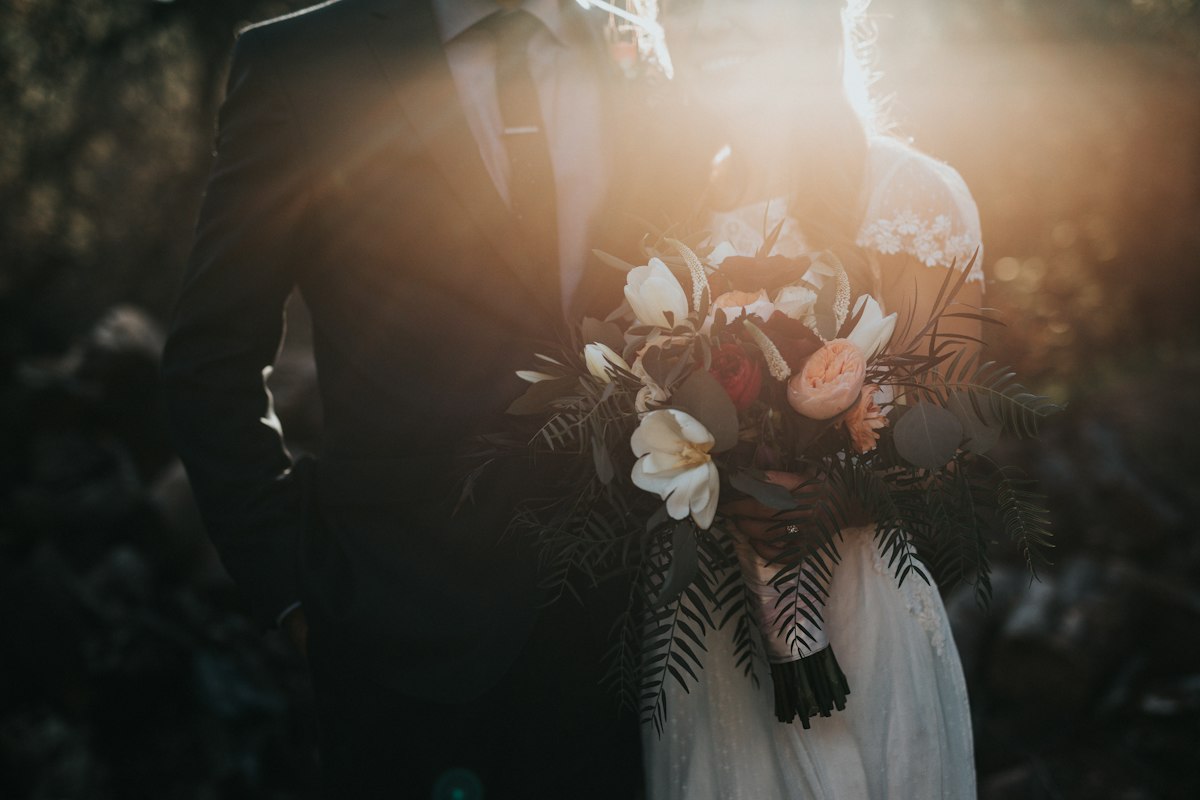
Achieving high-quality imagery when shooting Up Close Nudes depends heavily on mastering your equipment. Macro lenses are frequently employed to capture skin texture and fine details that would otherwise be lost at a distance. When working in such close proximity to the subject, every adjustment in aperture and shutter speed becomes magnified. A shallow depth of field can be used to draw the viewer’s eye to a specific point, creating a sense of focus and intimacy.
Here are the key technical elements to master:
- Lighting Control: Soft, diffused lighting is crucial for minimizing harsh shadows and highlighting natural skin contours.
- Lens Selection: Use a prime lens with a focal length of 85mm to 105mm to prevent distortion and ensure a natural perspective.
- Focus Precision: With limited depth of field, ensure the focal point is razor-sharp on the area of highest visual interest.
- Stability: Use a high-quality tripod to eliminate camera shake, as even the slightest movement is amplified in close-up shots.
Understanding Textures and Lighting Dynamics
The skin is a complex canvas, and Up Close Nudes provide the ultimate test for a photographer’s ability to render texture accurately. Light behaves differently depending on its angle and intensity. To capture the tactile quality of the skin, photographers often utilize side lighting, also known as "rim lighting," which creates a high-contrast edge that emphasizes the subject's form against the background.
Consider the following lighting strategies to enhance your results:
| Lighting Technique | Visual Effect | Best Used For |
|---|---|---|
| Softbox Diffused | Smooth, even illumination | Emphasizing softness and elegance |
| Side Lighting | High contrast and depth | Highlighting texture and muscular definition |
| Backlighting | Halo effect | Creating an ethereal, dreamlike silhouette |
💡 Note: Always prioritize the comfort of your subject by maintaining a warm environment and clear communication throughout the shoot to ensure natural poses and expressions.
Ethical Guidelines and Subject Comfort
Beyond the camera settings, the success of any intimate photography project relies on the relationship between the photographer and the model. When working on Up Close Nudes, establishing trust is the most important step in the process. A photographer’s professional demeanor, paired with a collaborative approach to creative direction, ensures that the subject feels empowered and comfortable, which translates directly into the final photograph.
Essential steps to maintain professionalism include:
- Explicit Consent: Ensure both parties have a clear understanding of where and how the images will be shared or stored.
- Private Setting: Conduct sessions in a secure, private location that guarantees the subject’s privacy and peace of mind.
- Communication: Regularly review shots with the subject to get feedback and ensure their comfort level is maintained.
- Post-Production Boundaries: Discuss the extent of retouching or editing prior to the shoot to manage expectations regarding the final look of the images.
⚠️ Note: Always keep a secure, encrypted backup of all high-resolution files to maintain data privacy and prevent unauthorized access to sensitive material.
Advanced Compositional Strategies
Composition in close-up work is not about capturing the entire form, but rather finding the “macro” within the “micro.” By focusing on abstract shapes, lines, and textures, you can create a series that feels modern and evocative. Think of the human body as a landscape of peaks and valleys. When taking Up Close Nudes, frame your shots in a way that suggests the form rather than explicitly revealing it. This leaves room for the viewer’s imagination, which is a hallmark of truly high-end, artistic photography.
Consider experimenting with negative space to balance your images. Sometimes, a small sliver of detail surrounded by deep shadow or bright, clean background creates a much more powerful narrative than a full-frame shot. This approach relies heavily on color theory and the emotional impact of monochrome versus color imagery, allowing you to tailor the mood of the final portfolio to your creative vision.
In wrapping up this exploration, it becomes clear that the artistry found within intimate photography is a delicate blend of technical proficiency and authentic human connection. By focusing on the interplay of light, skin texture, and ethical professionalism, photographers can transform the act of capturing detail into a meaningful visual narrative. Whether through the use of specific lighting rigs or the careful choice of composition, the ultimate goal remains to showcase the human form with grace and artistic integrity. As you refine your approach, keep experimentation at the forefront of your work, ensuring that each session not only pushes your technical boundaries but also honors the dignity of your subject.